


Let's discuss in this blog the disease caused due to high cholesterol levels (Hyperlipidemia) in detail.
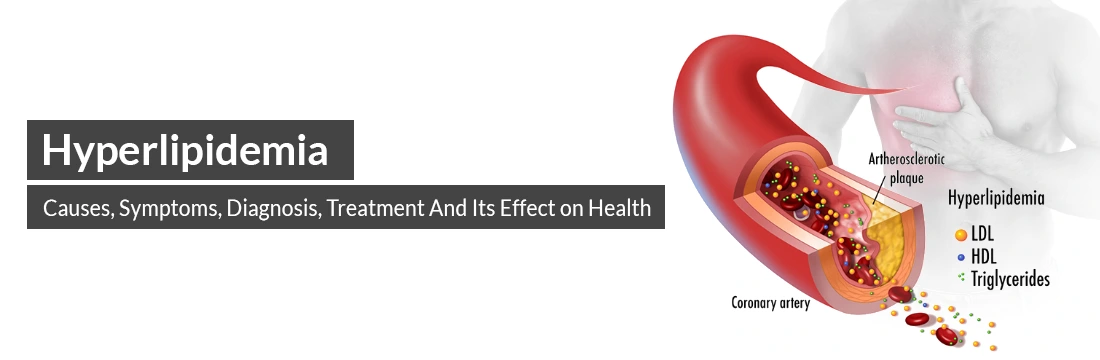
Hyperlipidemia is a condition in which there is excess cholesterol in the blood that may increase the chances of heart disease and stroke due to the formation of plaque in blood vessels. Lifestyle modifications can help you lower your cholesterol level and reduce the chances of heart disease and stroke, So let's discuss hyperlipidemia in detail.
Overview
What is Hyperlipidemia?
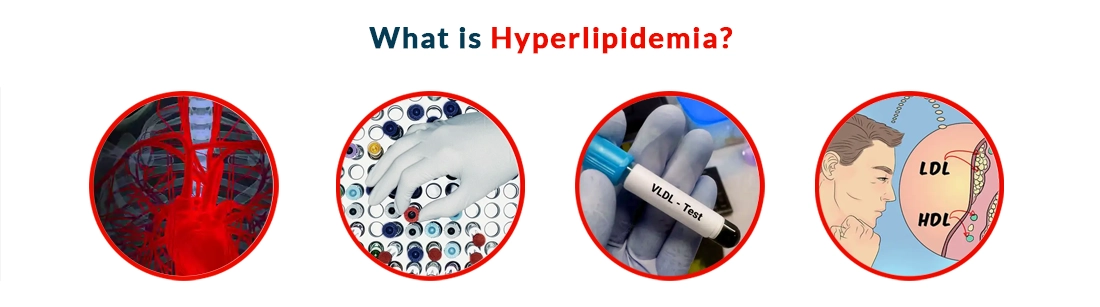
Hyperlipidemia is a disease caused by excess fat in the blood our liver produces the cholesterol that helps in digestion the cholesterol that is introduced through our diet as well the cholesterol being made in our body may lead to excess cholesterol that deposits in adipose tissue and hurt our body that affects our heart, liver etc
Cholesterol above 240mg/dl is considered unhealthy for our body as it leads to the formation of plaque in our blood vessels that increases the chances of heart attack and stroke.
High-density lipoprotein (HDL) also known as Bad cholesterol is considered harmful to our body and its level as it can lead to the formation of plaque in our blood vessels that form a clot disrupt the normal blood flow and affect the overall functioning of our body There are some of the types of lipoprotein that has a different effect on our body lets discuss them one by one
- Low-density lipoprotein (LDL): It is known as bad cholesterol because it can clog your arteries and blood vessels which increases the chances of heart attack and stroke.
- Very low-density lipoprotein (VLDL): It is also called as bad cholesterol because it carries triglycerides and its excess level can add to artery plaque.
- High-density lipoprotein (HDL): also known as good cholesterol because it Lowers the cholesterol level by bringing it back to your liver and clears the way for your blood to get through your blood vessels a number lower than 40 mg/dL is considered a good HDL level.
Symptoms Associated With High Cholesterol Level
Symptoms are usually observed when plaque forms due to the rapid accumulation of cholesterol and fats in your arteries that slows down your blood flow it includes
When the clot ruptures it can block the whole artery and block the blood flow to the heart and brain leading to a heart attack the symptoms are:
- Chest pain
- Nausea
- Shortness of breath
It is a Medical Emergency That Requires Immediate Medical Attention.
Causes of Hyperlipidemia
Many causes lead to increased levels of Hyperlipidemia in the blood these are:
- Smoking and drinking
- Eating a lot of saturated fat or trans fat
- Sedentary Lifestyle
- Obesity or being overweight
- Inherited genes
Certain medications can also fluctuate your cholesterol levels these are:
- Beta-blockers.
- Diuretics.
- Hormonal birth control.
- Steroids.
- Antiretroviral drugs for HIV.
Certain medical conditions can also affect the cholesterol level in your blood these include:
- Liver disease.
- Pancreas disease.
- Multiple myeloma.
- Polycystic ovary syndrome (PCOS).
- Hypothyroidism.
- Primary biliary cholangitis.
- Chronic kidney disease.
- Diabetes.
- Lupus.
- Sleep apnea.
- HIV.
Diagnosis
Hyperlipidemia can be diagnosed firstly by observing the symptoms and by checking the following parameters these are:
- Medical examination.
- Medical history of a patient.
- Lab testing of cholesterol level.
- Family medical history.
- The 10-year history of Atherosclerotic Cardiovascular disease.
A lipid panel test can also determine the overall cholesterol level in your blood by measuring the level of different lipoproteins including:
Types of Cholesterol
Normal Level (Bio reference)
Total cholesterol
Less than 200 mg/dL
Bad(LDL) cholesterol
Less than 100 mg/dL
Good(HDL) Cholesterol
At least 60 mg/dL
Triglycerides
Less than 150 mg/dL
Cholesterol Level Normal Range
The normal range of different types of cholesterol levels varies depending on the age, gender and health condition of a person here is the list of different lipoproteins given in the tabulated form below:
Cholesterol Level
Total Cholesterol
Normal Range
Less than 200 mg/dL
Best
200 mg/dL to 239 mg/dL
Borderline high
240 mg/dL and higher
high
HDL level
HDL Level
Milligrams per deciliter(mg/dl)
High level
40 (mg/dL)
Triglycerides Level
Triglycerides level
Milligrams per deciliter(mg/dl)
Below 150
Normal
150 - 199
Borderline high
200 - 499
high