


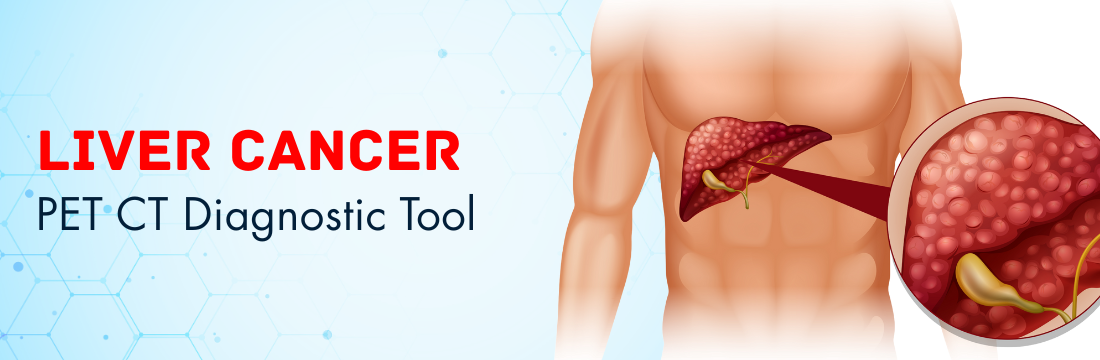
In this article, we will discuss Liver cancer, its causes, types and PET CT as a diagnostic tool for the detection of Liver cancer. We will also discuss some common questions related to Liver cancer.
Liver cancer is one of the fatal cancers and spreads very fast to other parts of the body. Liver cancer is the condition when cells of liver divide in uncontrolled manner leading to the formation of tumors in the liver. It can also involve the ducts of the gall bladder and leading to the formation of malignant conditions in the associated tissues. Liver cancer is fatal and needs early detection for the treatment. Early detection of the condition can help to treat the condition before it can spread to other parts of the body. For this purpose PET CT is one of the advanced non surgical radiological tool which is used for the detection of cancers at the cellular lever. It also helps to detect the spread of the condition and helps to plan treatment.
What is Liver cancer?
Liver cancer is the condition of uncontrolled division of cells, which lead to the formation of liver tumors. It is also known as Hepatocellular carcinoma (HCC). There are two types of carcinoma that is primary and secondary carcinoma. Primary carcinoma is the cancer of the liver and its associated tissues where are secondary is the spread of liver cancer to other parts of the body.
What are the Causes of Liver cancer?
Liver cancer occurs when the genes of cells get defective and leading to the formation of uncontrolled division of cells. Other factors leading to liver cancer include:
- Long term Hepatitis B
- Long term Hepatitis C
- Liver cirrhosis
- Heavy consumption of alcohol
- Obesity
- Type 2 diabetes
- Tobacco use
- Weak immune system
- Genetics
- Family history etc.
Which types of Liver cancers are detected by PET CT Scan?
There are various types of Liver cancers that can be detected by the PET CT scan and these cancers include:
- Hepatocellular carcinoma
- Intrahepatic cancer
- Hepatic Angiosarcoma
What is PET CT used to show in the diagnosis of Liver cancer?
PET CT can show a number of conditions in the Liver cancer and these include:
- Site of Liver cancer
- Stage of Liver cancer
- Finding the primary cancer in Liver
- Monitoring treatment
- Guiding surgical planning
- High resolution imaging
- Recurrence of Liver cancer
- Distant metastasis
- Helps to design the treatment for Liver cancer
List of PET CT Scans Available at Ganesh Diagnostic and Imaging Centre other then Liver cancer
- Brain PET scan (Book Now)
- F-18 Choline PET Scan (Book Now)
- FDG-PET Scan (Book Now)
- DOTA PET CT Scan (Book Now)
- Whole Body PET Scan (Book Now)
- PSMA PET Scan For Prostate (Book Now)
- Dopa Brain PET Scan (Book Now)
- PET Viability Scan Cardiac (Book Now)
- Cardiac PET Scan (Book Now)
Conclusion
Liver is the vital organ in our body responsible for the detoxification of the body. It is also used to store the glucose in the form of glycogen. Any abnormality in the liver which leads to the uncontrolled division of cells can form tumors. These tumors can lead to different liver cancer like primary and secondary cancers. Early detection of the cancer is important for the treatment of the cancer and stops the spread. PET CT is one of the most advanced diagnostic tools used to detect the cancer at the earliest stage to stop the spread. There are various types of liver cancers like Hepatocellular carcinoma, Intrahepatic cancer, Hepatic Angiosarcoma etc.
Frequently Asked Questions (FAQ)
What is Liver cancer?
Liver cancer or Hepatocellular carcinoma (HCC) is the condition of uncontrolled division of cells in liver leading to the formation of tumors.
What are the Causes of Liver cancer?
The causes are liver cancer include DNA mutation in liver cells, long term hepatitis B, C, cirrhosis etc.
Can PET CT Scan detect Liver cancer?
Yes, PET CT is effective diagnostic tool in detection of Liver cancer.
Where is PET CT Scan for Liver cancer near me in Delhi?
Patient can visit Ganesh Diagnostic Imaging Centre for Liver cancer PET CT Scan with heavy discounts. For more information and appointment, click here.