



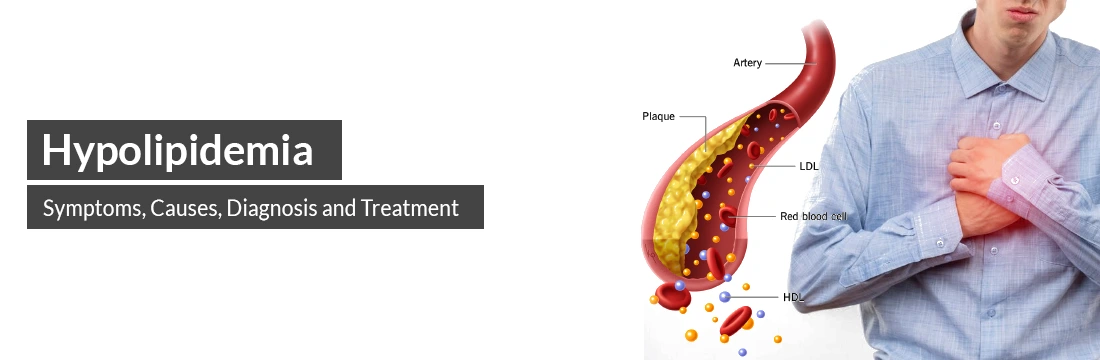
We will discuss in this blog the disease caused due to low cholesterol levels (Hypolipidemia) in detail.
Hypolipidemia refers to a low level of cholesterol in the blood and it may be due to bad health practices like Smoking, drinking and poor lifestyle all may lead to a low level of cholesterol in our body potential causes of low level of cholesterol in the body is due to thyroid problems or chronic inflammation and malnourishment can also lead to Hypolipidemia.
Types of Lipoprotein Present in Our Body
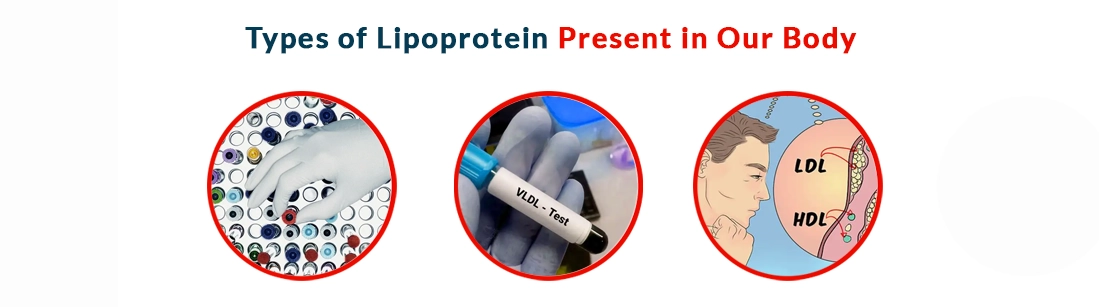
Different types of lipoprotein are present and have different roles these are:
- Low-density lipoprotein (LDL): It is known as bad cholesterol because it can clog your arteries and blood vessels which increases the chances of heart attack and stroke.
- Very low-density lipoprotein (VLDL): It is also called as bad cholesterol because it carries triglycerides and its excess level can add to artery plaque.
- High-density lipoprotein (HDL): also known as good cholesterol because it Lowers the cholesterol level by bringing it back to your liver and clears the way for your blood to get through your blood vessels a number lower than 40 mg/dL is considered a good HDL level.
Symptoms Associated With Low Cholesterol Level
Symptoms are observed only when there is an abnormally low level of cholesterol or due to any underlying disease
Some potential symptoms of low cholesterol levels are
- fatty stool
- Anxiety and depression
- Change in vision
- hormonal imbalances
- weight loss
- intellectual disabilities in children
Causes of Low Cholesterol Level
Low cholesterol in the body can be due to many reasons lipoproteins like LDL also known as bad cholesterol it has an important role in our body to maintain normal cholesterol levels reduction in their level below 50 mg/dl can lead to many health conditions these are
- Hyperthyroidism
- Vitamin C deficiency
- Chronic infections
- Blood cancers
- Malnourishment due to poor nutrition absorption
Genetic Condition Responsible for Low LDL Cholesterol
Three Genetic conditions are known to reduce the LDL cholesterol level in blood these are:
- Hypobetalipoproteinemia: Genetic condition that causes the body to metabolize LDL very quickly. Some people with this disorder have no detectable levels of LDL and need treatment.
- Chylomicron retention disease: congenital disease can cause nutritional malabsorption, failure to thrive, and fatty stools. It is also known as Anderson’s disease.
- Abetalipoproteinemia: also known as Bassen-Kornzweig syndrome, a person with this condition is unable to absorb fat from their diet. Babies with this congenital disease show symptoms and may have a very low weight, intellectual disabilities, and failure to thrive.
Impact of Low-Level cholesterol
- People with low cholesterol levels in the blood usually have high HDL levels that can lead to heart disease and increase the chances of heart attack and stroke.
- Cholesterol helps the body to make Vitamin D, steroid hormones, cortisol and sex hormones such as estrogen and testosterone its low level can affect the synthesis of these chemicals required for normal body functioning.
- Cholesterol also helps in the absorption of vitamins A, D, E, and K and also helps in the biosynthesis of cell membranes.
Diagnosis and Test
Cholesterol levels less than 120mg/dl and LDL cholesterol less than 50 mg/dl may lead to Hypolipidemia
Blood test includes the lipid panel test that checks the different lipoproteins such as HDL, LDL and total cholesterol in blood here is the range of the cholesterol given for each type in tabulated form below:
Types of cholesterol
Normal level(Bio reference)
Total cholesterol
Less than 200 mg/dL
Bad(LDL) cholesterol
Less than 100 mg/dL
Good(HDL) Cholesterol
At least 60 mg/dL
Triglycerides
Less than 150 mg/dL
Cholesterol Level Normal Range
The normal range of different types of cholesterol levels varies depending on the age, gender and health condition of a person here is the list of different lipoproteins given in the tabulated form below:
Cholesterol Level
Total Cholesterol
Normal range
Less than 200 mg/dL
Best
200 mg/dL to 239 mg/dL
Borderline high
240 mg/dL and higher
high
HDL level
HDL Level
Milligrams per deciliter(mg/dl)
High level
40 (mg/dL)
Triglycerides level
Triglycerides level
Milligrams per deciliter(mg/dl)
Below 150
Normal
150 - 199
Borderline high
200 - 499
high