



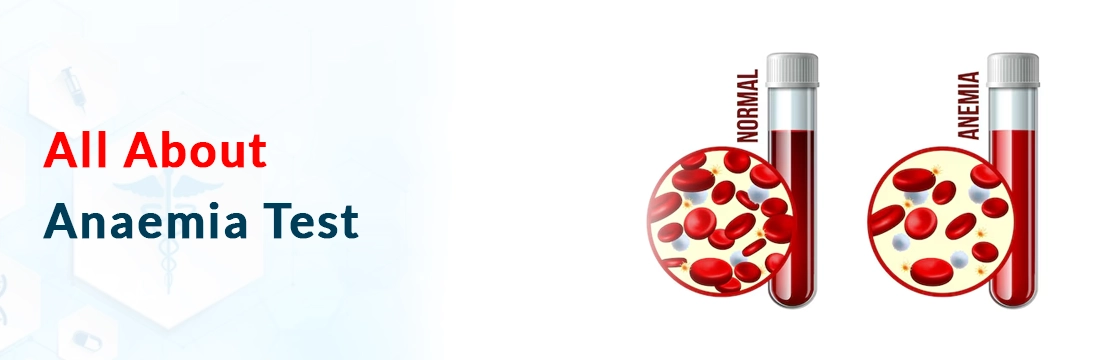
Anaemia is a disease when your body has very low red blood cells. These blood cells are the carriers of oxygen in your body. Some common Anaemia Symptoms include weakness, fatigue and shortness of breath that can be mild or...
Anaemia is a disease when your body has very low red blood cells. These blood cells are the carriers of oxygen in your body. Some common Anaemia Symptoms include weakness, fatigue and shortness of breath that can be mild or severe depending upon the condition or environment of the patient.
This can be specifically diagnosed with a specific kind of blood anaemia test. Moreover, this test considers the levels of red blood cells production and the condition of red blood cells.
Complete Blood Count
A complete blood count (CBC) is usually the first test that's ordered to diagnose anaemia. It's often used to help diagnose other conditions, too.
A CBC measures the following levels in your blood:
When it's used for anaemia, doctors pay particularly close attention to your red blood cell and haemoglobin levels.
Another value that's usually shown on a CBC, which may help diagnose anaemia, is mean corpuscular volume. If this value is low, it may indicate microcytic anaemia, such as iron deficiency, and if this value is high, it may indicate macrocytic anaemia (B12 deficiency). Get an Anaemia Test Price that fits best under your budget with Ganesh Diagnostic and Imaging Centre.
Iron Panel
Sometimes anaemia is caused by an iron deficiency. If a doctor thinks this may be the case, they'll order a blood test known as an iron panel or serum iron test. This test will measure the level of iron in your blood.
An iron panel typically includes several lab values, including:
- Ferritin, a protein that stores iron
- Serum iron
- Transferrin saturation
- Total iron binding capacity
These values may help determine whether the cause of anaemia is iron deficiency or chronic inflammation.
Reticulocyte Count
A reticulocyte count measures the number of immature red blood cells in your blood. It can help a doctor determine whether your bone marrow is producing enough red blood cells. This test is important because it can help pinpoint the cause of anaemia.
If your CBC results show you have a low red blood cell count, but your reticulocyte count shows you have a high immature red blood cell count, it could mean you're losing blood somehow.
Conversely, if you have low levels of both mature and immature red blood cells, it may mean your body isn't making enough red blood cells.
Blood Smear
A blood smear is another test that can be used to help pinpoint the possible cause of anaemia.
A blood smear is done by spreading a drop of blood on a medical slide. A staining liquid is then added to the slide, which can help find any abnormalities in the shape of the blood cells.
This test may be particularly helpful in diagnosing sickle cell anaemia, which is characterized by crescent-shaped red blood cells. It may also help diagnose some nutritional deficiencies, which can cause very large red blood cells.
For Haemolytic Anaemia
If a type of anaemia called haemolytic anaemia is suspected (red blood cells are destroyed faster than the bone marrow can make them), the following tests may be done:
- Lactate dehydrogenase (LDH) test: This test measures a type of enzyme known as LDH that's found in almost all tissues in your body. If your LDH levels are high, it may mean certain tissues in your body have been damaged by disease or injury.
- Haptoglobin test: A haptoglobin test can help detect what type of anaemia you have and possibly also help determine the cause of increased red blood cell destruction.
- Indirect bilirubin: Indirect bilirubin is the difference between your total and direct bilirubin. This level can increase if your body destroys too many red blood cells.
- Vitamin B12 and folate levels: These are commonly checked to rule out vitamin deficiency as a cause.
- A Coombs test: This is often done if an autoimmune disease is suspected as the cause of anaemia.
Additional Tests
- Bone marrow biopsies and aspirations: Bone marrow aspirations and biopsies are done by inserting a long, thin, and hollow needle into a bone to extract bone marrow fluid and tissue. This allows doctors to see if the bone marrow is healthy and able to make enough healthy blood cells.
- Urinalysis: A urinalysis test looks for blood in your urine and checks your kidney function.
- Endoscopy: An endoscopy is done by inserting a thin tube with a tiny camera on the end into your mouth and through the upper digestive tract. This allows doctors to look for bleeding in your oesophagus, stomach, and small intestine.
- Colonoscopy: A colonoscopy is done by inserting a thin tube with a small camera into the rectum to look for bleeding in the colon (large intestine).
- Genetic tests: A genetic test can look for changes to the genes that are programmed to make red blood cells.
Anaemia Test Assistance Access at Affordable Ranges!
If you have common symptoms like weakness, dizziness and fatigue then the doctor will most likely suggest multiple tests to determine the exact type of Anaemia.
However, CBC is often considered the primary test to diagnose anaemia. This test helps in measuring the quality and production of Red Blood Count in your body that can identify anaemia.
Check the Affordable Anaemia Test in Delhi NCR to determine the right business to beat this condition.