



.jpg "blog image")
It could be said that there are many diseases that could have a everlasting effect on the individuals that just do not affect ones physique and physical image, but also, have an emotional and mental impact on the individuals...
It could be said that there are many diseases that could have an everlasting effect on the individuals that just do not affect ones physique and physical image, but also, have an emotional and mental impact on the individuals and their close family members. It is seen that due to a heavy change in one’s lifestyle for the people of the country, which causes one of the major diseases in the country, India. The cases have risen from before.
Growing epidemic of the non- communicable diseases (NCDs) has said to have impacted our national health systems, with policies, and the socioeconomic developments; this will thereby lead to the increasing level disparities in the country. Why is it that, despite any substantial improvements in all health indicators made in the past decade, our Indian health-care system could contribute to be disproportionately associated with global disease burden?
What is India Lacking in terms of Healthcare?
As we all know that India is representing third largest economy of the world and it is one of the most populous countries in the world. Despite any substantial improvements in the health indicators that have been made in decade, in the Indian health-care system would continue and contribute to an increase burden as per the other countries and ratios. The NCDs have also emerged as one of the leading causes of death and this account for the 15% of global NCD deaths and for 60% of the total deaths in your country.
If statistics are to be read, then the findings from journals with Global Burden of Disease could indicate that an ischemic heart disease is one of the highest-ranked causes in premature deaths in the India in the year 2013. The Diabetes would be predicted to also affect about the 109 million people between the ages 20 and 79 by the year 2035. It lacks an appropriate and timely diagnosis of the disease with an immediate a good treatment planning to facilitate healthy living in the country. And thus, to minimize the troubles, Ganesh Diagnostic presents the list of tests and diagnosis plan catered to each patient and deliver a value based healthcare.
Deadliest and the Most Common Diseases in India
1. Deadly Diseases
Among the deadly diseases, the list present is as follows:
- Cancer
- Cardiovascular Diseases
- Chronic Respiratory Diseases
- Kidney Diseases
- Diabetes
- COVID-19
- Stroke
- Alzheimer’s Diease
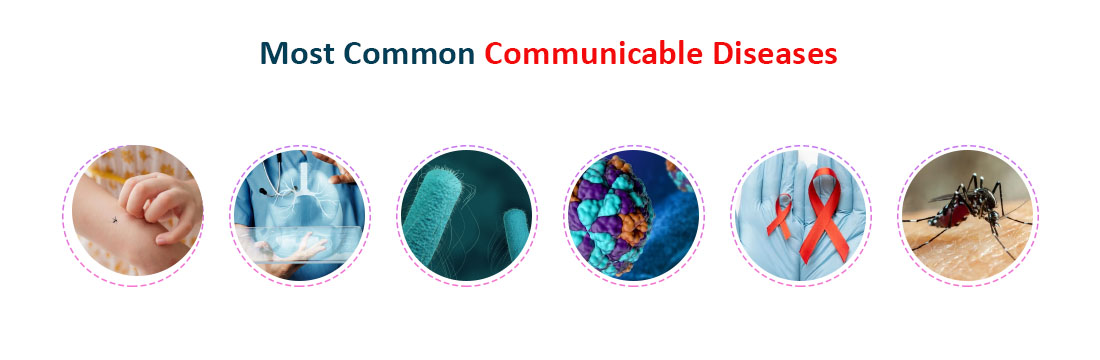
2. Most Common Communicable Diseases
Amongst the Most Common Communicable Diseases in India, the list is as follows:
Malaria
Malaria disease is the life threatening blood disease which is mosquito-borne disease. The symptoms of malaria also include any fever with chills, and also headaches. The treatment is generally involving the antimalarial medications.
Malaria disease will also include headaches. It would progress to further cause any severe or even life threatening complications. How this disease can affect the people would vary widely. Moreover, there are people that either have mild or even no symptoms, but later on become ill in extreme severity.
Tuberculosis
The Tuberculosis (TB) disease is the bacterial infection that spread by inhaling the tiny droplets which would be transmitted by cough or any sneeze of the infected person.
It is considered to serious condition that could be cured if a proper treatment is administered. The TB disease mainly affects the lungs. However, it would also affect different parts of your body, including glands, the bones and the nervous system. The TB, costly affects the lungs with most contagious type, it would usually only spread after any prolonged exposure to someone with any illness.
Typhoid
The Typhoid fever is an enteric fever, caused by the bacteria salmonella. The Typhoid fever is rare in the places where it is appropriately sanitized or where the human waste disposal is effectively managed. It is known to be a serious health threat, especially for the children, in places where it is more common.
Hepatitis
The Hepatitis could indicate an inflammation of the liver. As we all know, liver is considered to a vital organ that aims in processing the nutrients, it filters your blood, and then it fights infections. When liver is also inflamed or even damaged, its function could be affected. With Heavy alcohol use, consuming toxins, and some medications, there are certain medical conditions that will cause hepatitis. However, if the hepatitis is often caused by the concerned virus, it could be hepatitis A, the hepatitis B, and the hepatitis C, with Hepatitis B being the most common.
Many of the people who are suffering from hepatitis who do not have any corresponding symptoms and are not aware if infected. In case the symptoms that occur with an acute infection, it would include 2 weeks to about 6 months after an exposure. The Symptoms of an acute hepatitis includes fever loss of appetite, fatigue, vomiting, nausea with abdominal pain, and dark urine, with light-colored stools, and joint pain, and also jaundice.
HIV/AIDS
Government of India has estimated that about 2.40 million of the Indians that are currently living with the HIV disease in (1.93 ‐3.04 million) with the adult prevalence of about 0.31% as of 2009. The Children that are