


Neurological diseases are the diseases related brain or overall central nervous system (CNS) of the person. There are various conditions related to brain which leads to the degradation of brain and is responsible for various...
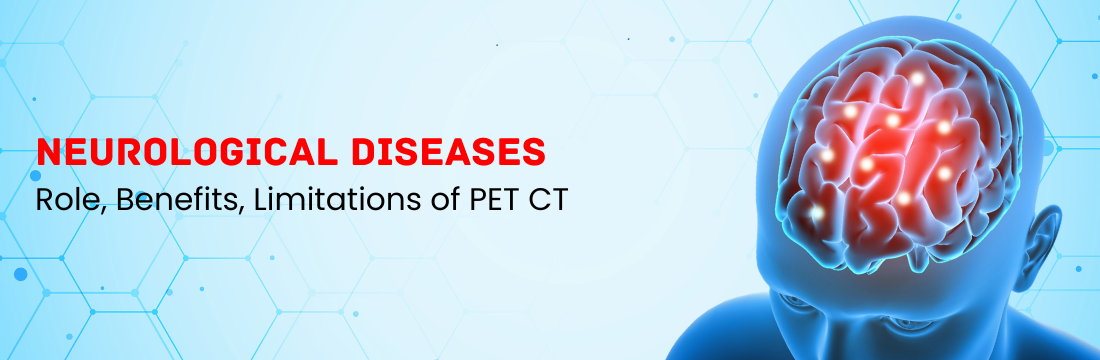
Neurological diseases are the diseases related brain or overall central nervous system (CNS) of the person. There are various conditions related to brain which leads to the degradation of brain and is responsible for various neurological conditions. Various neurological conditions include Alzheimer’s disease, Parkinson’s disease, brain cancer, tumor, epilepsy etc. There are various other conditions which are related to the progressive degradation of brain and its conditions. These conditions overall behvioiur, thingking and capability of person. Early diagnosis and management of these conditions are important for the treatment. There are various tests used to look for the condition of brain and these tests include MRI, CT scan which captures the anatomical structure of brain. These tests did not give the metabolic level of diagnosis which is very important for early diagnosis. For this purpose PET CT is one of the advanced and preferred test used to look for the early condition of brain and its abnormalities. PET CT is advanced and provides valuable information related to brain or neurological disorder which cannot be detected by conventional tests like MRI and CT.
PET CT Applications for Neurological Disorders
1. PET CT is helpful in Detecting Alzheimer’s disease and Dementia
- PET CT is helpful in Diagnosis of various conditions like Alzheimer’s disease and dementia. FDG glucose is used for the detection at metabolic level. When changes occur at the metabolic level by seeing the uptake of glucose by brain cells. It is also helpful in detecting plaques like beta-amyloid which helps to confirm Alzheimer’s disease.
2. PET CT is helpful in Detection of Parkinson’s Disease and Movement Disorders
- PET CT helps to differentiate different types of diseases like parkinson’s disease and parkinsonian syndrome. This is done by evaluating the dopaminergic neuron activity. This assists in diagnosis when clinical features are unclear and monitoring disease.
3. PET CT is very helpful in detection of Epilepsy
- PET CT is very helpful in the detection of epilepsy or refractory epilepsy to visualize and locating the seizure foci.
4. PET CT for Detecting Brain Tumors
- PET CT is very helpful in detecting the early stages of brain tumors which is very useful for effective treatment of the condition. PET CT helps to provide the metabolic information or gives the details of cells at the metabolic level which helps to differentiate between malignant and benign cancers or brain lesions.
5. PET CT for Strokes and Cerebrovascular Disorders
- PET CT is effective in detecting the effect of stroke or any sign of future stroke. This makes the patient aware and can take precautions measures to avoid such lethal health conditions.
6. PET CT for Novel Tracers and Neuro-oncology Research
- PET tracers beyond FDG are expanding possibilities in neurology:
- Amyloid tracers for dementia.
- Dopamine and serotonin tracers for psychiatric and movement disorders.
- Neuroinflammation tracers for MS and traumatic brain injury.
- Tau tracers for neurodegenerative conditions.
PET CT Benefits in Neurological Diseases
- PET CT is helpful in Detecting disease at early stages
- This helps to detect condition before structural changes are evident.
- PET CT helps to provide metabolic and structural details
- PET CT is helpful in providing functional details of Brian cells
- PET CT is useful in differentiating the types of brain disorders like dementia, epilepsy etc.
- This is also important in detecting the disease progression.
- PET CT is helpful in looking for the effect of treatment on brain condition.
List of Limitations of PET CT in Neurology
- Radiation exposure, though relatively low.
- High cost compared to MRI and CT.
- PET CT is not available in small localties and healthcare centers
- PET CT has the chances of false positive which can be related to non specific uptake.
- There is the need of radioactive tracers, which can also have allergic conditions.
- Interpretation challenges requiring expertise in nuclear medicine.
List of Different Types of PET CT Tests
- Cardiac PET Scan (Book Now)
- Whole Body PET Scan (Book Now)
- PSMA PET Scan For Prostate (Book Now)
- Dopa Brain PET Scan (Book Now)
- PET Viability Scan Cardiac (Book Now)
Click here to look for various other types of PET CT scan
Conclusion
PET CT is valuable in detection of tumors, cancers, epilepsy, parkinson’s disease and other neurological conditions of the brain. There are various tests which are used to look for brain disorders but conventional tests did not detect the abnormality at the cellular level. PET CT is advanced diagnostic procedure used to look for diagnosis at cellular level. There are various conditions related to brain which leads to the degradation of brain and is responsible for various neurological conditions. Various neurological conditions include Alzheimer’s disease, Parkinson’s disease, brain cancer, tumor, epilepsy etc. There are various other conditions which are related to the progressive degradation of brain and its conditions. These conditions overall behvioiur, thingking and capability of person. Early diagnosis and management of these conditions are important for the treatment. There are various tests used to look for the condition of brain and these tests include MRI, CT scan which captures the anatomical structure of brain. These tests did not give the metabolic level of diagnosis which is very important for early diagnosis. For this purpose PET CT is one of the advanced and preferred test used to look for the early condition of brain and its abnormalities.