



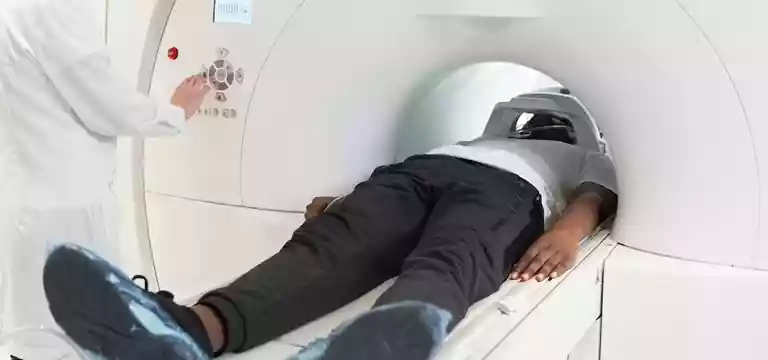
Learn how PET scans are transforming oncology research and revolutionizing cancer treatment. Explore the role of PET scans in early detection, treatment decision-making, personalized medicine, and more. Discover why Ganesh...
In the field of oncology research, revolutionary advancements in medical imaging technology have played a pivotal role in transforming the way cancer is detected, diagnosed, and treated. One such groundbreaking tool is the Positron Emission Tomography (PET) scan. PET scans have emerged as a game-changer, revolutionizing oncology research and contributing significantly to treatment innovations. In this article, we will delve into the world of PET scans, exploring their purpose, functionality, and the remarkable impact they have had on cancer treatment. Ganesh Diagnostics, a leading diagnostic center in Delhi, stands at the forefront of providing state-of-the-art PET scan services, and we will highlight why it is the best choice for your PET scan needs.
Understanding PET Scans in Oncology Research
PET scans are non-invasive imaging techniques that use a radioactive tracer to visualize metabolic processes within the body. These scans provide valuable insights into the functioning of organs and tissues at a cellular level. In oncology research, PET scans have proven to be highly effective in detecting cancerous cells, assessing the stage and progression of cancer, and detecting metastasis. By capturing detailed images of the body's metabolic activity, PET scans enable oncologists to make accurate diagnoses and develop tailored treatment plans.
Early Cancer Detection
One of the key contributions of PET scans to oncology research is their ability to detect cancer at its earliest stages. Early detection significantly improves the chances of successful treatment and long-term survival. PET scans can identify even small clusters of cancer cells, allowing for timely intervention and effective management. The early detection capabilities of PET scans have been instrumental in saving countless lives and reducing the morbidity associated with cancer.
Assessing Cancer Stage and Progression
PET scans play a crucial role in determining the stage of cancer and evaluating its progression. By analyzing the metabolic activity of tumors, PET scans provide valuable information about the size, location, and extent of cancerous growth. This data enables oncologists to accurately stage cancer and make informed decisions regarding the appropriate treatment approach. PET scans are particularly effective in identifying lymph node involvement, which aids in determining the spread of cancer and guiding subsequent treatment strategies.
Detection of Metastasis
Metastasis, the spread of cancer from its primary site to other parts of the body, is a significant challenge in cancer treatment. PET scans excel in detecting metastatic lesions, even in cases where they may be small or located in unusual sites. By identifying the presence and location of metastatic tumors, PET scans help oncologists tailor treatment plans to target these specific areas. This targeted approach improves the effectiveness of treatment and enhances patient outcomes.
Advancements in Cancer Treatment
The impact of PET scans on oncology research has been profound, revolutionizing the approach to cancer treatment in several ways.
Let's explore some of these advancements:
Treatment Decision-Making
PET scans provide crucial information that aids oncologists in making informed decisions about the most appropriate treatment options for individual patients. By accurately assessing the metabolic activity of tumors, PET scans help determine whether surgery, chemotherapy, radiation therapy, or a combination of treatments would be most effective.
Personalized Medicine
The era of personalized medicine has been greatly enhanced by the use of PET scans. By providing detailed information about the specific characteristics and behavior of a patient's cancer, PET scans enable oncologists to tailor treatment plans to the individual's unique needs. This personalized approach improves treatment outcomes and minimizes the side effects associated with non-targeted therapies.
Monitoring Treatment Response
PET scans are invaluable tools for monitoring a patient's response to treatment. They can track changes in tumor metabolic activity over time, allowing oncologists to assess the effectiveness of therapy. This real-time feedback enables adjustments to treatment plans, ensuring that patients receive the most appropriate and effective interventions.
Integration with Other Diagnostic Tools
PET scans complement other diagnostic tools, such as computed tomography (CT) scans and magnetic resonance imaging (MRI). The combination of PET-CT and PET-MRI imaging provides a comprehensive evaluation of the cancer's location, size, and metabolic activity. This integrated approach enhances the accuracy of diagnosis and facilitates more targeted treatment strategies.
Research and Innovations Enabled by PET Scans
PET scans have paved the way for groundbreaking research and innovations in oncology. Here are some areas where PET scans have made significant contributions:
Clinical Trials
PET scans play a vital role in clinical trials for cancer therapies. They help researchers evaluate the effectiveness of experimental drugs and monitor patients' response to treatment. PET scans provide objective data on tumor regression or progression, aiding in the assessment of new therapies' efficacy.
Development of New Therapies
PET scans assist in the development of new cancer treatments by providing insights into the mechanisms of action of various drugs. Researchers can use PET scans to determine whether a drug effectively targets specific cancer cells or processes, enabling the refinement and optimization of therapeutic interventions.
Identification of Drug Targets
PET scans contribute to the identification of potential drug targets by revealing metabolic pathways and processes that are aberrant in cancer cells. This information guides the development of targeted therapies that specifically address the metabolic vulnerabilities of cancer cells, leading to more effective and selective treatments.
Radiation Therapy Planning
PET scans are essential in radiation therapy planning. They help oncologists determine the precise boundaries and contours of the tumor, allowing for accurate radiation dose calculations and targeted delivery. This precision minimizes damage to healthy tissues and maximizes the effectiveness of radiation therapy.
Predicting Treatment Outcomes
PET scans have demonstrated the potential to predict treatment outcomes by assessing the metabolic response of tumors to therapy. Changes in metabolic activity captured by PET scans can indicate the success or failure of treatment, allowing oncologists to adjust treatment plans accordingly and optimize patient outcomes.
Case Studies and Success Stories
Real-life examples of PET scan usage in oncology research highlight their significant impact on patient care. Here are a few success stories:
Case Study 1
A 50-year-old patient with breast cancer, underwent a PET scan at Ganesh Diagnostics. The scan revealed early metastasis to the lymph nodes, prompting prompt surgical intervention and subsequent targeted chemotherapy. The use of PET scans enabled early detection of metastasis and guided the selection of appropriate treatment modalities, resulting in improved outcomes for her.
Case Study 2
A 60-year-old patient diagnosed with lung cancer, underwent PET scans at different stages of his treatment. The scans showed a significant reduction in tumor metabolic activity following chemotherapy. This positive response allowed oncologists to continue the treatment course with confidence, ultimately leading to successful tumor regression and improved quality of life for him.
Impact on Patient Survival Rates
Studies have shown that the utilization of PET scans in oncology research has led to improved patient survival rates. Early detection, accurate staging, and targeted treatment decisions facilitated by PET scans contribute to better long-term outcomes for patients battling cancer.
Identifying New Treatment Options
PET scans have helped identify treatment options that were not previously considered for certain patients. By detecting specific metabolic patterns or targets, PET scans have opened doors to innovative therapies and improved patient response rates.
The Role of Ganesh Diagnostics in PET Scans for Oncology Services
Ganesh Diagnostics, a leading diagnostic center in Delhi, has established itself as a pioneer in providing state-of-the-art PET scan services for oncology services. With a highly experienced and specialized oncology imaging team, Ganesh Diagnostics ensures the highest standards of accuracy and patient care.
Here are the unique selling points (USPs) that set Ganesh Diagnostics apart:
State-of-the-Art PET Scan Technology
Ganesh Diagnostics utilizes cutting-edge PET scan technology, delivering exceptional image quality and diagnostic accuracy. This advanced equipment allows for the precise detection and characterization of cancerous lesions, enabling prompt and effective treatment.
Highly Experienced and Specialized Oncology Imaging Team
Ganesh Diagnostics boasts a team of skilled radiologists and technologists who specialize in oncology imaging. Their expertise ensures accurate interpretation of PET scan results and supports oncologists in making well-informed treatment decisions.
Multiple Branches Across Delhi
Ganesh Diagnostics has established multiple branches across Delhi to provide convenient access to its PET scan services. Whether located in Rohini, Hari Nagar, Firozabad, Mangolpuri, Model Town, Nangloi, or Yamuna Vihar, patients can easily avail themselves of state-of-the-art PET scans close to their homes.
Availability of Multiple Panels for Comprehensive Cancer Diagnostics
Ganesh Diagnostics offers a wide range of comprehensive cancer diagnostic panels. These panels combine PET scans with other imaging modalities and laboratory tests to provide a comprehensive evaluation of cancer, enabling oncologists to develop holistic treatment plans.
Commitment to Patient Comfort, Safety, and Accurate Results
Ganesh Diagnostics prioritizes patient comfort and safety throughout the PET scan process. The experienced staff ensures a smooth and hassle-free experience, while stringent quality control measures guarantee accurate and reliable results.
Accurate and Timely Results
Ganesh Diagnostics maintains stringent quality control measures to ensure accurate and reliable PET scan results. The state-of-the-art technology and expertise of their team guarantee timely reporting, enabling oncologists to make swift treatment decisions.
Conclusion
PET scans have revolutionized oncology research by significantly contributing to treatment innovations. Their ability to detect cancer at early stages, assess cancer stage and progression, and detect metastasis has transformed the landscape of cancer diagnosis and treatment. Ganesh Diagnostics, with its advanced PET scan technology, experienced team of specialists, and commitment to patient care, stands at the forefront of providing exceptional PET scan services in Delhi. By choosing Ganesh Diagnostics, patients can avail themselves of the best PET scan expertise and contribute to better treatment outcomes in their battle against cancer.
FAQs
How are PET scans revolutionizing oncology research?
PET scans are revolutionizing oncology research by providing valuable insights into cancer detection, staging, treatment response, and the development of new therapies. These scans enable early cancer detection, aid in personalized treatment decision-making, and contribute to the development of innovative treatment options.
Are PET scans safe for cancer patients?
Yes, PET scans are considered safe for cancer patients. The radioactive tracer used in PET scans is administered in small amounts, and the radiation exposure is minimal. The benefits of PET scans in guiding treatment decisions and monitoring response outweigh the potential risks.
How do PET scans contribute to personalized medicine in cancer treatment?
PET scans play a crucial role in personalized medicine for cancer treatment. They provide detailed information about a patient's unique cancer characteristics, such as metabolic activity and tumor size, helping oncologists tailor treatment plans to the individual's specific needs. This personalized approach improves treatment outcomes and minimizes side effects.
Can PET scans detect cancer metastasis?
Yes, PET scans are highly effective in detecting cancer metastasis. Metastasis refers to the spread of cancer cells from the primary tumor to other parts of the body. PET scans can identify metastatic lesions by detecting areas of abnormal metabolic activity, allowing oncologists to determine the extent of cancer spread and plan appropriate treatment strategies.
Why should I choose Ganesh Diagnostics for my PET scan needs?
Ganesh Diagnostics is a leading diagnostic center with state-of-the-art PET scan technology and a highly experienced oncology imaging team. They offer comprehensive cancer diagnostic panels, convenient locations across Delhi, and a commitment to patient comfort, safety, and accurate results. Choosing Ganesh Diagnostics ensures access to the best expertise and advanced imaging services for you.