


A positron emission tomography (PET) CT scan is an advanced diagnostic imaging tool used by physicians to evaluate how organs and tissues are functioning in the body.
A positron emission tomography (PET) CT scan is an advanced diagnostic imaging tool used by physicians to evaluate how organs and tissues are functioning in the body. By injecting a radioactive tracer into the bloodstream, the PET CT scan produces detailed images that help detect diseases such as cancer, brain disorders, and heart conditions.
It also encompasses information relevant to those seeking PET CT scan services in Delhi.
Preparing for the PET CT Scan
Before the scan, patients receive specific preparation instructions from their physician. Typically, patients must fast for 4 to 6 hours prior to the test to enhance the clarity of the images. Drinking water is usually permitted, but caffeine and strenuous physical activity should be avoided for at least 24 hours before the scan to prevent interference with the tracer uptake. Diabetic patients are advised to maintain controlled blood sugar levels ahead of the test since elevated glucose impacts tracer absorption.
On the day of the scan, plan to arrive at the imaging center about 30 minutes early. Upon arrival, patients complete necessary paperwork and discuss their medical history, current medications, and any allergies with the staff. Patients are encouraged to wear comfortable clothing free from metal fasteners or jewelry, which can affect imaging.
The PET CT Scan Procedure
At the start of the procedure, a technician inserts an intravenous (IV) line into a vein in the arm to administer the radioactive tracer. The tracer, often fluorodeoxyglucose (FDG), contains a small amount of radioactive glucose that travels throughout the bloodstream and accumulates in organs or tissues.
Following the injection, there is a waiting period of approximately 30 to 60 minutes during which the tracer circulates and is absorbed by the body. Patients rest quietly during this time in a private room and may be asked to drink water to facilitate the distribution of the tracer.
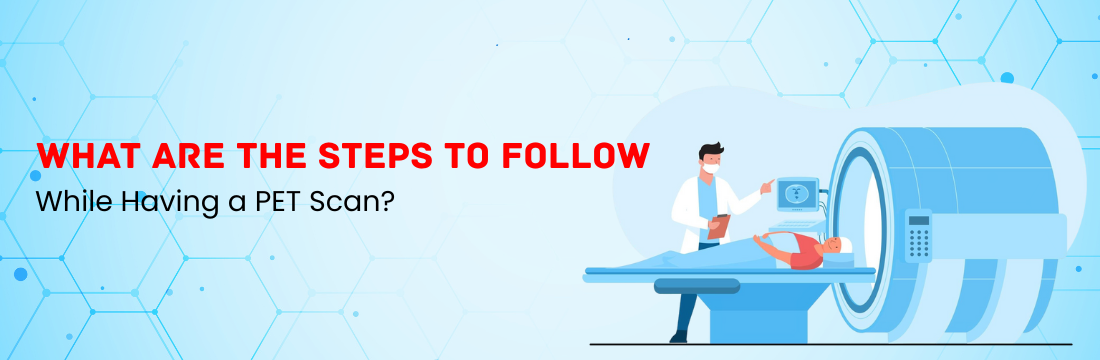
After the tracer has taken effect, the patient lies down on a narrow, padded table that slides into the PET CT scanner—a large machine resembling a donut. The scanning table may include pillows and straps to help maintain stillness and comfort. The procedure combines positron emission tomography (PET) with computed tomography (CT), first acquiring CT images followed by PET scans to provide both anatomical and functional information.
The scanning process lasts between 30 and 45 minutes, depending on the area being examined. In some cases, multiple scans of different body parts may be completed in one session. Remaining completely still during the scan is crucial, as any movement can blur the images, reducing their diagnostic value. The technician communicates with the patient through an intercom to provide instructions and reminders during the scan.
After the PET CT Scan
Once the scanning is complete, patients are encouraged to drink several glasses of water to help flush out the remaining radioactive tracer via the kidneys. The radioactive substances used in PET scans have a short half-life, typically losing their radioactivity within hours after the test.
Patients can immediately resume their normal diet and medications post-scan. The IV insertion site may feel slightly sore or bruised, but these side effects are usually mild. PET CT scans are considered safe with minimal radiation exposure, comparable to other imaging tests.
Safety and Comfort Considerations
While PET CT scans involve exposure to radiation from the tracer, the amount is low and rapidly diminishes after the scan. Most patients experience no adverse effects from the radioactive tracer. However, lying still for an extended period inside the scanner may cause discomfort or pose challenges such as anxiety, especially for children or claustrophobic individuals. Sedation is sometimes used in such cases to help patients remain calm and motionless, ensuring accurate images.
Book Now for an Effective PET CT Scan!
Right Diagnosis at the Right Time!
The PET CT scan is a valuable diagnostic tool that offers detailed functional and structural images to assist physicians in diagnosing and managing various diseases. Understanding the PET CT scan procedure, from preparation and tracer injection to scanning and aftercare, can help patients feel more comfortable and confident about the experience.
For those seeking PET CT scan services in Delhi, facilities like Ganesh Diagnostics and Imaging Centre provide high-quality testing with modern technology and compassionate support. Taking timely action to undergo a PET CT scan can provide critical health insights, enabling targeted treatment and improved outcomes.
Book a PET CT Scan Cost in Delhi NCR at a Ganesh Diagnostic & Imaging Centre today to take advantage of this safe, efficient diagnostic technology that plays a crucial role in modern medical care.