



Today in health care, early detection is important to manage and treat many medical conditions effectively. PET CT, or Positron Emission Tomography Computed Tomography, is an advanced imaging modality that provides a doctor...
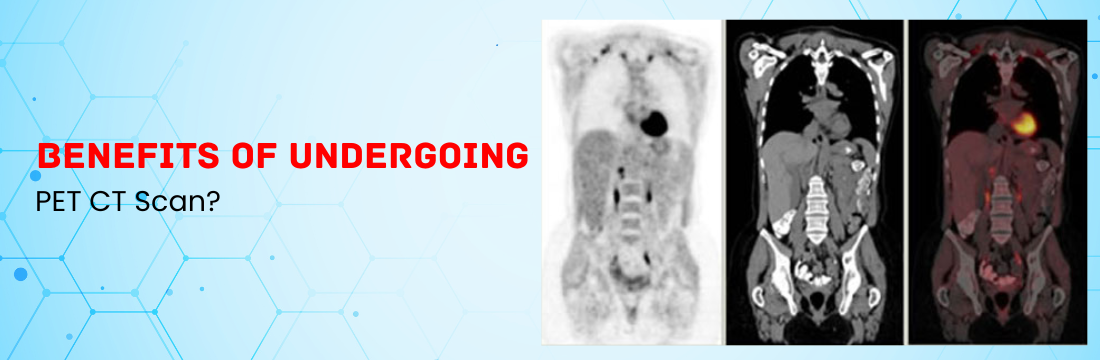
Today in health care, early detection is important to manage and treat many medical conditions effectively. PET CT, or Positron Emission Tomography Computed Tomography, is an advanced imaging modality that provides a doctor with the ability to detect a problem much earlier. PET scans combine the metabolic activity of PET with the structural definition of CT to create a unique image of what is happening inside the body.
It is a distinctive imaging technology that adds value through increased efficiency in detecting problems. Also, it has that value in areas such as cancer, heart disease, and neurologic disorders.
Maximising Precision in Early Diagnosis
PET CT scans can detect disease at the cellular level, allowing for an accurate early diagnosis. There are imaging modalities to assess the structure of the body, such as MRIs and CTs; however, PET functional imaging takes a step further. The benefit of functional imaging is that it assesses not only how tissues function metabolically, but also their structural anatomy. This functionality gives important clinical significance, especially in detecting certain cancers.
Unlike most imaging studies that are based on structure, PET Scans can identify the activity of cancer cells based on their metabolic functions, which will express differences between malignant and benign tumours.
For example, PET CT can identify metastases (cancer cells) in an asymptomatic patient before the tumour shows up on another scan. This is clinically significant as the sooner the patient can be treated, the more favourable outcomes that could be expected. It can also identify small hidden metastases and provide vital information for cancer staging, treatment, and ultimately clinical value.
Guidance for Treatment Decisions
A significant benefit of PET CT analysis lies in its ability to guide treatment decisions. After a diagnosis, PET CT scans are frequently used to evaluate the extent of a disease and to help develop a targeted treatment plan. By pinpointing the exact location and size of the affected tissues, PET CT enables oncologists to formulate a precise approach, be it surgery, chemotherapy, or radiation therapy.
The scan’s detail also helps avoid overtreatment or undertreatment, as doctors can monitor the response to therapy and make necessary adjustments. For instance, if cancer responds well to treatment, doctors may decide to reduce the treatment intensity, sparing the patient from potential side effects. Conversely, if a disease shows resistance, consider alternative treatments by ensuring personalised care based on real-time insights.
Guidance for Treatment Plans
PET scans help doctors make better treatment plans. After a diagnosis, the PET CT scan tells the doctor the size and exact location of the affected tissues. This is important when developing a patient's individualised treatment plan for surgery, chemotherapy, or radiation therapy, along with which areas need treatment and their level of intervention. Most importantly, PET CT scans can also monitor if the disease is sensitive or resistant to the therapy to avoid over-treatment or under-treatment.
If a cancer is shrinking, treatment intensity can decrease if side effects are too toxic for the patient. However, if the cancer is resistant to treatment, doctors will quickly move to another therapy plan based on PET CT evaluation. These sequential processes help to deliver care specific to each patient's needs.
Better Evaluation of Treatment Effectiveness
PET CT scans and evaluations are useful to see if treatments are working. Scans done weekly or monthly during therapy tell doctors if tumours are shrinking, stable or growing, often before patients’ symptoms change in a specific way. This gives doctors an opportunity to adjust treatments if necessary and gives patients assurance that they are not undertaking ineffective treatments that are unnecessary and can cause side effects or discomfort.
Seeing visual evidence of treatment response or stability encourages patients and doctors to remain confident in treatment and hopefully increases the chances of recovery.
Early Detection and Prevention of Disease Recurrence
A PET CT scan plays a crucial role in identifying disease recurrence at its earliest stages. After initial treatment, patients usually need consistent follow-up care to confirm that the disease hasn't returned. This type of imaging is effective because it can reveal slight changes in cellular activity that indicate a return of illness, often before any symptoms appear.
Detecting recurrence early facilitates swift intervention, which typically results in better outcomes for patients and helps prevent further spread of the disease.
Book Now Your First PET CT Scan!
Get Yourself Tested Today!
PET CT scans improve diagnostic accuracy for early detection, guide treatment decisions, allow monitoring of treatment effectiveness, reduce the necessity for invasive procedures, and help identify recurrences sooner—all underscoring their importance in comprehensive patient care. As technology evolves, PET CT scans are set to transform early detection methods even further, providing hope and enhancing outcomes for patients around the globe. By opting for a PET Scan in Delhi NCR, individuals gain access to a more detailed approach that aids their journey towards improved health.
Ganesh Diagnostic and Imaging Centre Pvt. Ltd. offers extensive medical imaging and diagnostic services with accurate and timely results to bolster patient care. Reach out to us today!