


In this article, we will discuss the uses of MRI Pelvis. We will also discuss some common questions related to MRI Pelvis.
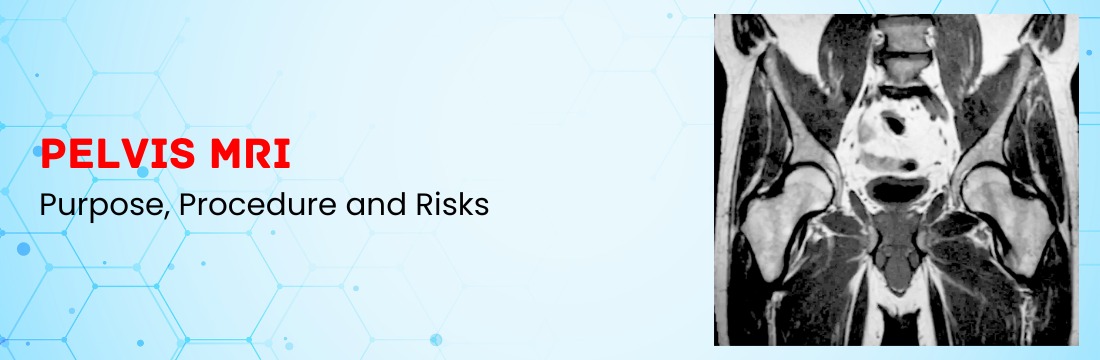
Pelvis MRI is the non invasive diagnostic technique that uses magnetic field with the computer generated radio waves for the production of clear images of the Pelvis. These images are used for the detection of abnormalities in the Pelvis. Patient should look for Pelvis MRI if he suspects any abnormality in the Pelvis like cancer, tumor, infection, inflammation etc. in Pelvis. MRI Pelvis uses magnetic waves for the detection of abnormalities and sometimes contrast is also used for more clear images. Pelvis contrast MRI provides more clear images which help in easy and early detection of abnormalities. Pelvis MRI is considered safe for pregnant women as it does not use any type of radiation.
What is Pelvis MRI?
Pelvis MRI (Magnetic Resonance Imaging) is the radiological diagnostic procedure, which is used for the detection of abnormalities in pelvis. Pelvis MRI is used to look for the pelvic bones, organs, blood vessels, cysts, tumors, infections etc. MRI Pelvis can be performed with or without the use of contrast material based on need and suggested by healthcare expert. Pelvis is the bony structure, which is inside the hip, buttocks and pubic area. This region is seat that holds the upper body, when person sits or stands.
What is the Purpose of MRI Pelvis?
Pelvis MRI is the diagnostic technique used to look for the pelvis abnormalities. There are various purposes of pelvic MRI and these include:
- Abnormalities related to bones like fractures, necrosis,
- Abnormalities in soft tissue
- Uterine conditions like fibroids, adenomyosis etc.
- Issues with ovaries like cysts, tumors etc.
- Endometriosis
- Pelvis floor dysfunction
- Pelvic pain
- Any type of pelvic cancer etc.
Which Tests Are Used to Check for the Pelvic Abnormalities?
There are various types of tests used to check for Pelvic abnormalities and these includes:
- Screening of Pelvis (Book Now)
- Pelvis Ultrasound (Book Now)
- X-ray Pelvis both hips (Book Now)
- Pelvis Color Doppler (Book Now)
- MRI Pelvis with contrast (Book Now)
What Are the Risks Associated With MRI Pelvis?
There are some risks associated with MRI pelvis and these are:
- Metal implants and Devices: Patient with metals implants are avoided the MRI pelvis because magnetic attraction can displace implants.
- Allergic reactions: Some patients show allergic reactions to the contrast materials.
- Fear of tight and closed surfaces of the MRI scanning machine
- Loud noises: Patient going for the MRI pelvis may feel loud noises of the machine.
- Avoid breast feeding for 24 to 48 hours if patient goes of contrast MRI pelvic scan.
Conclusion
MRI Pelvis is the diagnostic tool used to look for the Pelvis abnormalities. MRI Pelvis can look for abnormalities like infection, inflammation, type of cancer, spread of cancer, help for procedures etc. MRI Pelvis can be performed with and without the use of contrast based on the need of the test. Pelvis contrast MRI can provide more clear images which helps in easy and early detection of abnormalities in the Pelvis. There are various risks associated with the MRI pelvis like displacement of metal implants, allergic reactions to contrast, loud noises of scanning machine etc.
Frequently Asked Questions (FAQ)
What is MRI Pelvis scan?
MRI Pelvis scan is the diagnostic procedure that uses magnetic waves for the detection of abnormalities in the Pelvis.
What is the full form of MRI in MRI Pelvis?
The full form of MRI is Magnetic Resonance Imaging in MRI Pelvis.
What is MRI Pelvis scan with contrast?
MRI Pelvis scan with contrast is a diagnostic tool that uses the contrast material for the detection of Pelvic abnormalities, contrast Pelvis MRI give more clear images for easy and early detection of Pelvic abnormalities.
Can MRI Scan detect Pelvis cancer?
Yes, MRI scan is effective diagnostic tool in detection of Pelvis cancer.
Where is MRI Pelvis Centre near me in Delhi?
Patient can visit Ganesh Diagnostic Imaging Centre for MRI Pelvis scan with heavy discounts. For more information and appointment, click here.