



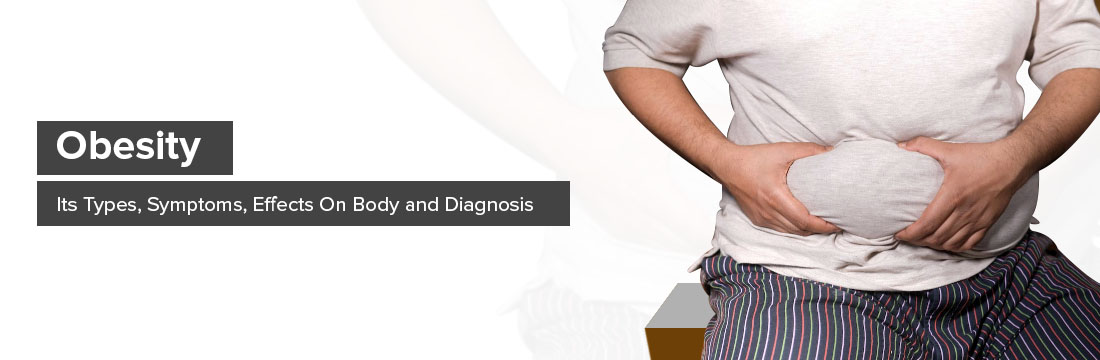
When your body gains too much mass. It is defined as obesity. For adults, a BMI of 30 or higher is considered an obesity marker. A morbid/severe obesity is when the BMI becomes 40 or more. This blog explains about the obesity,...
Obesity is established when too much body fat is accumulated. Not just esthetically, obesity affects individuals' medical health as well. It can cause heart diseases, high blood pressure, liver diseases, high cholesterol, sleep apnea, diabetes and other diseases.
Often obesity cannot be managed by a patient when it is caused due to genetics, physiology, or other environmental factors combined with diet, exercise or physical activity.
By managing weight to moderate levels these obesity related problems can be eliminated on a great extent. A healthy diet, behavioural changes and active lifestyle can help you lose weight.
Types of Obesity
Obesity is classified into groups based on their severity. The severity of obesity is measured by BMI. BMI ranging between 25.0 to 19.9 kg/m2 is considered an obesity category. General classes of obesity are
- Underweight when BMI is less than 18.5 kg/m2
- Normal weight is when BMI is between 18.5 to