



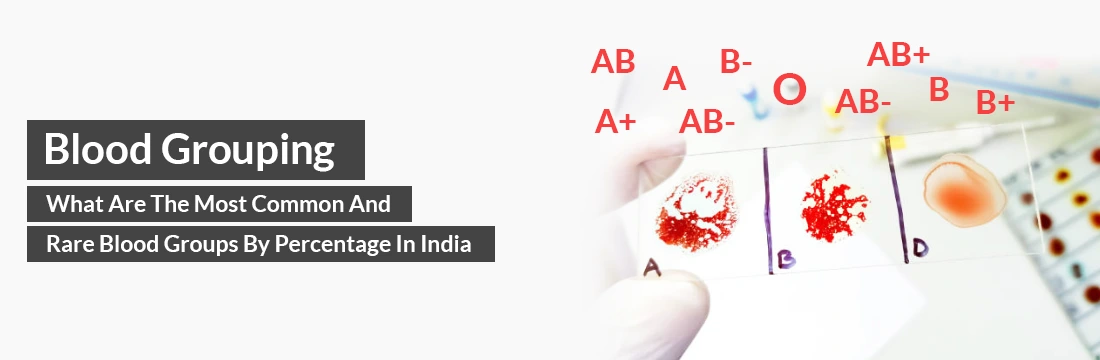
Through this article, we shall dive into the depths of blood groups and the most common and rare blood groups pertaining to India.
Blood group is one of the main blood testing procedures done to know the blood group of a person. It is important and had been made compulsory to mentioning on various ID cards for emergency like on driving license. The blood group system is ABO and there are main four groups of blood i.e., A, B, AB and O blood group. Then there is another factor called Rh factor which determines whether the group is positive or negative. Positive contains Rh factor where as Rh factor is absent in negative group. The inherited genes that we get from our parents determine our blood group. In the Indian population, there are certain blood groups that are more common. On the other hand, there are other blood groups that stand rare. There is an antigen present on the surface of the RBCs (Red Blood Cells), these antigens determine the type or blood group in an individual.
What Are the Types of Blood Groups Present?
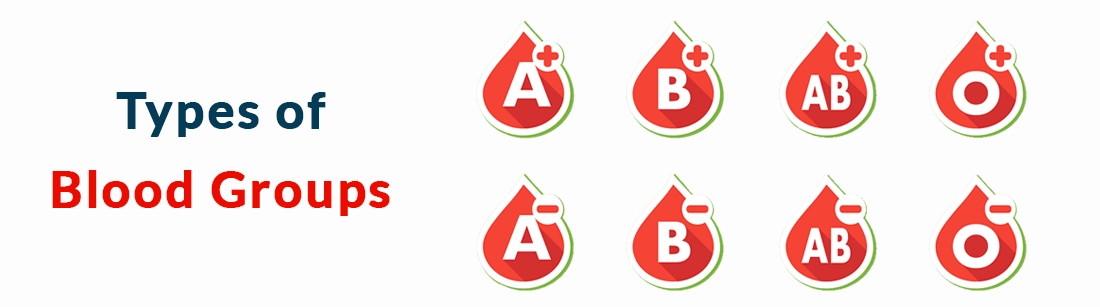
There is an antigen present on the surface of RBCs and there is an Rh factor present on RBC. Both of these determine the blood group of an individual. The presence of antigen and antibody determines the basis of the ABO blood group system. According to this system, there are four main types of blood group:
S.No.
Blood Group
Antigen
Antibody
Rh Factor (antigen D)
1.
A-
A
anti-B
Absent
2.
A+
A
anti-B
Present
3.
B-
B
anti-A
Absent
4.
B+
B
anti-A
Present
5.
O-
None
anti-B, anti-A
Absent
6.
O+
None
anti-B, anti-A
Present
7.
AB-
B and A
None
Absent
8.
AB+
B and A
None
Present
What Are the Most Common and Rare Blood Groups in India?
The data calculation for the occurrence of common blood groups and rare blood groups are discussed below. These are tabulated by taking reference from the NHS- National Health Services. The blood groups presence calculation in Indian population was conducted on December 2018:
S.No.
Blood Group
Percentage occurrence in Indian population
1.
O+
35%
2.
O-
13%
3.
A+
30%
4.
A-
8%
5.
B-
2%
6.
B+
8%
7.
AB-
1%
8.
AB+
2%
Rare Blood Groups in India
Id a particular blood group occurs in one person among a 1000 people random sample, then the blood group is considered to be rare blood group. The AB- blood group in the ABO blood grouping system is considered as the rarest blood group in the Indian population. Only 1% of the Indian population possesses AB- blood group. There are certain other blood groups that are among the rare blood groups present in the Indian population, these include:
- -D-/-D- phenotype: In this type of blood group, all the types of Rh antigens are absent, except for the D antigen.
- Bombay or Oh phenotype blood group: In each year, there are only 10 reported persons that contain Bombay type blood group. The National Institute of Immunohaematology has reported these readings, it is a part of the ICMR- The Indian Council of Medical Research.
- a+b- phenotype blood group.
- (Co(a-b-)) Colton-null phenotype type blood group.
- ABH antigens blood groups having weak antigens.
- I-i- phenotype blood group: This phenotype is present in 1 person in every 1000 people group. It is among the Mumbai population.
Common Blood Groups in India
The blood groups that are present in the majority of the Indian population are referred to as the common types of blood groups. Blood banks usually contain these blood groups in sufficient amounts that make them easily available. The commonest blood group present in the Indian population is blood group- O+. it is present in almost 35% of the Indian population.
Takeaway
The appearance of blood is same despite different blood groups, the bloos group in different individuals is determined by the genetic constitution. Knowing own’s blood group can help greatly in case of emergencies. 8 types of blood groups are present in the Indian population that depends on the antigen and Rh factor presence in their blood. Now that we have discussed all the blood groups, you can know if you fall in the most prevalent or the rarest blood groups.
Blood group help the person to know, which type of blood he can receive or donate because people with like blood groups can receive or donate blood. There are usually four types of blood groups and these include A, B, AB and O. whether the blood group is positive or negative depends on the presence of Rh factor in the blood group. On the basis of Rh factor we have blood groups like A+, A-, B+ or B-. Blood grouping is very important and usually performed before going for any surgery. This testing is also done to keep the person informed about the blood group of the person and written in id cards to be helpful during emergency. Blood group test is simple procedure and does not involve any special equipment or doctor for the detection of blood group.
Frequently Asked Questions (FAQs)
What Are the Rarest Forms of Blood Types in India?
The AB- B-, A-, and AB+ are amongst the Rh null blood groups. These are the rarest blood types in India.
Which Blood Group is most common?
The O blood group in India is the most common blood group.
Is the Positive Blood Group More Common?
77% of the Indian population has Rh positive blood group.
Which is the most common blood group in India as per NHS 2018?
The most common blood group in India as per NHS 2018 is O+, which is around 35%.
What is the + and – signs on blood group.
+ And – signs on blood group show the presence or absence of Rh factor on blood group.