


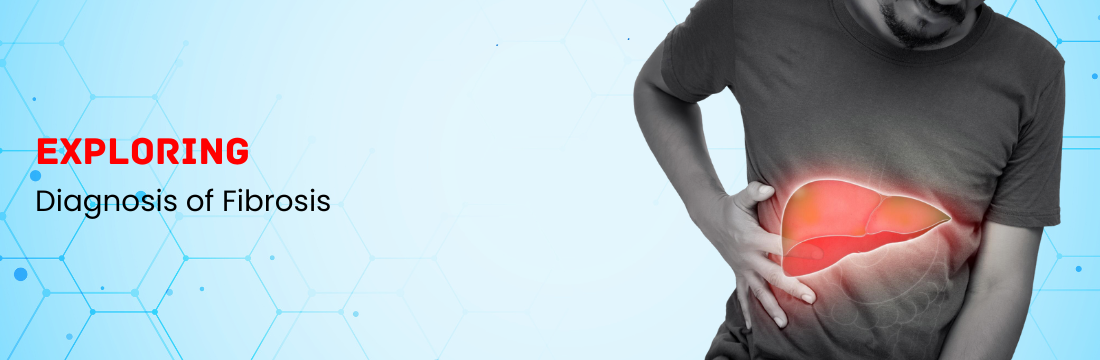
Receiving a medical diagnosis is often assumed to be a straightforward process. But for many people, especially those with liver disease such as fibrosis, the path is rarely so simple.
Receiving a medical diagnosis is often assumed to be a straightforward process. But for many people, especially those with liver disease such as fibrosis, the path is rarely so simple. The story of one patient’s journey highlights the challenges of delayed diagnosis and the importance of persistence in finding answers.
The Uncertainty of Early Diagnosis
What began as a routine health concern soon turned into a medical puzzle. At first, doctors suspected a condition in which excess iron builds up in the bloodstream. The standard treatment required regular removal of blood to balance iron levels. For a while, this seemed to provide an answer.
But soon, new complications surfaced. The patient’s iron levels dropped faster than expected, raising new doubts about whether this was truly the issue. Instead of clarity, more confusion followed. Like many patients, he found himself caught in a difficult cycle of repeated tests, half-answers, and growing anxiety.
For someone with an analytical mind, the lack of explanation was deeply troubling. Each medical visit brought more questions than solutions. Reports, scans, and discussions hinted at underlying liver disease, but no final confirmation came.
The Turning Point
The breakthrough came with advanced testing that allowed doctors to look deeper into the health of the liver. A specialised scan revealed what earlier tests had missed: signs of non-alcoholic steatohepatitis (NASH), a serious form of non-alcoholic fatty liver disease. Left unchecked, this condition can cause progressive scarring of the liver (fibrosis) and increase the risk of long-term liver damage.
The correct diagnosis was both sobering and empowering. It finally put a name to years of uncertainty and allowed the patient and his family to focus on the future rather than lingering in confusion with the help of the FibroScan test.
Managing Fibrosis with Lifestyle Changes
The treatment plan for Liver Disease did not begin with heavy medication. Instead, lifestyle adjustments became the most powerful tool. Doctors recommended:
- Regular physical activity can reduce fat deposits in the liver and improve overall health.
- A Mediterranean-inspired diet, rich in vegetables, fruits, legumes, whole grains, nuts, and healthy oils, can help reduce inflammation and improve metabolic balance.
- By making small but consistent choices, the patient began regaining control of his health.
Book now for a fast FibroScan Test!
The Role of Technology
A few months later, a newer, non-invasive test was introduced to monitor the progress of fibrosis. Unlike a traditional biopsy, which can be painful and invasive, the FibroScan test is a new technique that uses sound waves to measure liver stiffness. It not only reduced discomfort but also gave doctors a clearer, real-time picture of disease progression.
Such technology represents hope for many patients. Early and accurate detection of fibrosis is crucial because timely lifestyle modifications can slow down or even prevent further progression.
Living with Clarity
Today, the patient continues to live with fibrosis, supported by regular monitoring, healthier food choices, and meaningful lifestyle changes. His story is one of persistence: of not giving up when initial diagnoses felt incomplete, and of trusting that with every setback, a clearer answer was possible.
Making Positive Changes With The Right Diagnosis!
Fibrosis is often silent in the early stages, which makes diagnosis challenging. But living with liver disease does not have to mean living without hope. With persistence, specialist guidance, and the right lifestyle adjustments, it is possible to not just manage the condition but to live well with it.
Are you seeking a professional Liver Disease Diagnosis in Delhi? Reach out to Ganesh Diagnostic & Imaging Centre Pvt. Ltd. for professional diagnosis.