



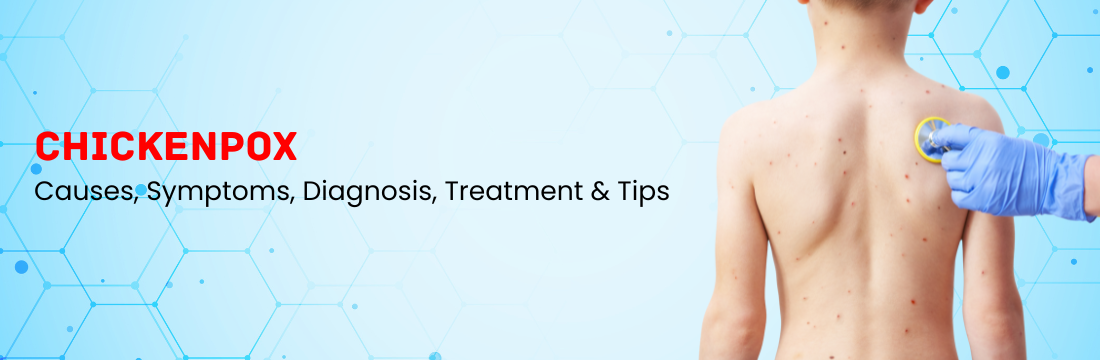
Chickenpox is a viral disease caused by the varicella-zoster virus (VZV) in children, adults not been exposed to the disease before and people with a weak immune system. There are various symptoms and the reorganization for...
Chickenpox is a viral disease caused by the varicella-zoster virus (VZV) in children, adults not been exposed to the disease before and people with a weak immune system. There are various symptoms and the reorganization for the disease. The main symptoms of this viral disease are an itchy, blister-like rash. Chickenpox is highly contagious and can be transmitted from person to person through contact, air or indirect contact. Chickenpox was a major healthcare concern before the vaccine was invented. The number of cases declined in a drastic manner after the vaccine was made for the disease. There are various symptoms like fever, chills, headache, but the itchy blister-like rash is one of the signature symptoms of the condition. A person going through this condition should isolate themselves to avoid the spread and visit the doctor for early and effective treatment.
Chickenpox
Chickenpox was one of the major healthcare concerns in children before the vaccine was introduced. Chickenpox is a viral disease caused by the varicella-zoster virus (VZV) and was very common in children. This viral disease is very contagious and can spread from person to person very easily. There are various ways that can lead to the transmission of diseases from one person to another. Common ways of transmitting this disease are through:
- If the person comes into direct contact with blister fluid of the infected person. This makes the transmission easier and highly risky. An infected person should avoid and consult a doctor for treatment.
- Next common way of transmission is through airborne. In this condition if the infected person coughs and sneezes in the air. Tiny droplets of the virus remains suspended in the air and can infect a healthy person who comes in contact with these droplets.
- Another way of infection is the indirect way, even though this is not so common but there is always a chance of infection through indirect contact. This condition occurs if the infected person touches surfaces that get contaminated through the blister fluid. The healthy person can come in contact with the fluid and get affected by the condition.
The person after infection is very contagious from 1 to 2 days till the blister is crushed, which usually occurs about 5-7 days.
List the Symptoms of the Chickenpox
There are various symptoms that are related to the chickenpox and the symptoms usually appear after 10 to 21 days. Classic symptoms of the chickenpox include the itchy, blister-like rash and other general symptoms include:
- Fever
- Fatigue
- Feeling unwell
- Headache
- Loss of appetite
- Small red spots on the face
- Small red spots on the chest
- Small red spots on the back.
- Spots to turn into blisters
- Breaking of blisters and forming crusts
- Scabs on the skin
- Spots keep appearing
Chickenpox Complications
There are various complications related to the chickenpox and these include:
- Skin infections
- Pneumonia
- Encephalitis
- Cerebella ataxia
- Hepatitis
- Sepsis
- Can cause birth defects in pregnant women
Chickenpox Types and Stages
There are various types and stages of the chickenpox and these include:
- Macules.
- Papules.
- Vesicles.
- Pustules.
- Crusts/scabs.
Higher Risk of Chickenpox Condition
- Children under 12
- Not vaccinated children
- Not vaccinated adults
- Newborns with unvaccinated or unexposed mothers to chickenpox
- Women during their pregnancy
- People with a weak immune system
- A person suffering from immune system diseases like HIV, cancer, or taking anti-immune suppressants
List the Tests Used for Chickenpox
Early detection and diagnosis is important for the treatment of the condition. There are various tests which are used for the detection of these diseases and these include:
- Varicella Zoster Chicken Pox IgG (Book Now)
- Chickenpox test (Book Now)
- Varicella Zoster Chickenpox IgM (Book Now)
List the Treatments used for the Condition of Chickenpox
There are various treatments used for the chickenpox and these include medications and some preventive measures for the condition. Here are some of the treatments for the condition and these include:
- Antihistamines
- Calamine lotion
- oatmeal baths
- Paracetamol
- Antiviral medications
- Varicella-zoster immune globulin (VZIG
List the Preventive Measures for Chickenpox
There are various preventive measures that can help prevent the chickenpox and the most common way of preventing the chickenpox is by vaccination. Other measures which help to prevent the chickenpox include:
- Avoiding visit to infected areas
- Get vaccinated as soon as possible
- Cover mouth
- Use masks
- Don’t cough or sneeze without covering your mouth
- Be cautious during pregnancy for the condition
- Always keeps fingernails short
- Do not play with infected children
- Avoid sharing food
- Keep da istance from the infected person
Conclusion
Chickenpox was one of the common diseases among children in the previous times before the vaccination was introduced. There are various symptoms and transmission ways for this condition. The condition is caused by the virus namely varicella-zoster virus (VZV), which can be transmitted from person to person through touch, air contact or indirect ways. Before vaccination, this was a very intense healthcare issue in India and developing countries. But after the vaccination development, this has drastically reduced. There are still some states in India that are suffering from this condition. Keeping hygiene, getting vaccinated and avoiding infected persons and infected areas are some of the preventive measures that need to be practiced to avoid the infection. There are various symptoms which are related to the condition of chickenpox and these include fever, chills, headache but the most signature symptom related to the chickenpox is the itchy fluid-filled blister. This blister crushes after some days and creates the marks on the skin, which may remain for some time. There are various tests and treatments used for the condition. Tests include PCR, blood tests, and antibody tests. Treatment for the condition includes the viral medications, paracetamol and other medications which can lower the symptoms and condition of the person.
Frequently Asked Questions (FAQ’s)
Which virus causes chickenpox?
Varicella-zoster virus (VZV) is the causing agent of the chickenpox.
Which symptoms are related to chickenpox?
Various symptoms related to chickenpox include fever, chills, fatigue but most common is fluid filled blister with itching.
Which tests are used to detect the chickenpox condition?
Various tests used to detect chickenpox include PCR, antibody, blood tests etc.
Can person dies with chickenpox condition?
If left untreated the condition can get worse in children and may lead to death.
Is the chickenpox condition treatable?
Yes, the condition is treatable and manageable with medications.
After how many days symptoms appear in chickenpox?
Basic symptoms like fever, fatigue, chills may appear after 1-2 days
List some preventive measures for chickenpox?
Person should get vaccinated, avoid visiting infected areas, avoid meeting infected person etc.
Is chickenpox bacterial disease?
No, it is a viral disease.
Is chickenpox a communicable disease?
Yes, chickenpox is a communicable disease.
How chickenpox spreads from one person to another?
Chickenpox can spread through direct contact, through air borne conditions or through indirect contact.